Baking Day Tea Companion: Kitchen Hydration Strategy
TL;DR: Keep cold tea pitcher (48-64 oz) in refrigerator during baking. Sip every 15-20 minutes. Zero-calorie hydration without interfering with taste testing.
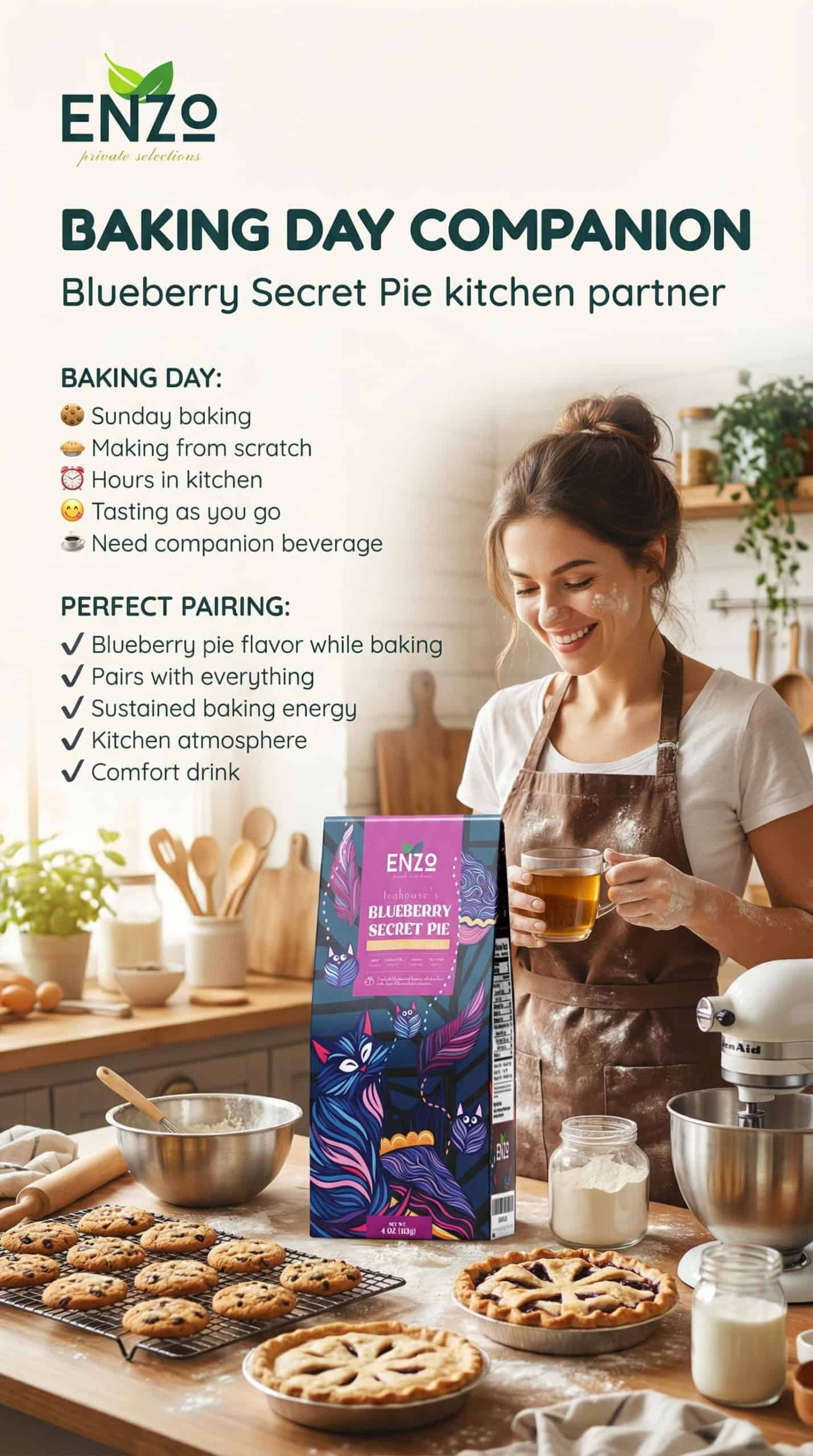
Why Bakers Need Dedicated Hydration
Multi-hour baking projects create unique fluid challenges. Kitchen heat from ovens raises ambient temperature 10-15°F. The warm, dry air increases perspiration. Flour dust dries throat. Tasting recipes requires palate cleansing. Most bakers forget proper hydration amid project focus.
Dehydration reduces cognitive function affecting measurement precision and timing judgment. Even 2% fluid deficit impairs decision-making by 10-15%. Recipe success depends on mental clarity throughout long processes.
Coffee seems like natural kitchen companion but creates problems. The diuretic effect increases fluid loss. Strong flavors interfere with delicate taste testing. Caffeine crashes mid-project cause mistakes during critical phases.
Tea provides ideal baking beverage. Zero-calorie fruit teas cleanse palate between tastings without adding calories from test samples. Cold tea counters kitchen heat. The subtle flavors don’t compete with recipe ingredients during tasting.
Research from the European Journal of Clinical Nutrition shows proper hydration during cooking tasks improves accuracy by 15-20% compared to inadequate fluid intake. The performance benefit directly affects recipe outcomes.
Understanding Baking’s Physical Demands
Extended kitchen time stresses the body.
Heat Exposure
Oven operation: Raises kitchen temperature significantly. Even with ventilation, ambient heat accumulates during multi-hour sessions.
Physical activity: Constant standing, mixing, kneading. The movement generates body heat adding to environmental warmth.
Steam and humidity: Boiling, steaming, bread rising creates moisture. The combination of heat and humidity increases fluid needs.
Cognitive Requirements
Precise measurements: Baking demands exact ratios. Mental clarity essential for accuracy.
Timing coordination: Multiple recipes simultaneously require sharp focus. Dehydration causes missed timers and burnt items.
Creativity and adjustment: Recipe modifications need clear thinking. Fluid deficit impairs creative problem-solving.
Duration Factors
Standard baking session: 2-4 hours Major holiday baking: 6-8 hours Competition prep: 8-12+ hours
Longer sessions amplify dehydration effects. The cumulative deficit builds unnoticed until severe symptoms appear.
Optimal Tea Selection for Baking
Different varieties suit different baking contexts.
Alpine Wildberry (Palate Cleansing)
The bold berry flavor provides strong palate refresh between sweet recipe tastings. The contrast helps reset taste buds.
Works especially well for cookie and cake baking where repeated sugar exposure dulls sensitivity. The tangy notes cut through sweetness.
Best for: Dessert baking, holiday cookies, sweet breads
Tropic Tiki (Energy and Brightness)
The tropical flavors create uplifting atmosphere during long sessions. The bright taste combats fatigue during extended projects.
Pairs well with lighter baking (scones, biscuits, pastries) where fruit flavors complement rather than compete.
Best for: Morning baking, fruit-based recipes, summer baking projects
Caribbean Rhapsody (Universal Choice)
Familiar berry taste appeals broadly without strong opinions. Safe choice when baking with others or for others.
The moderate flavor intensity cleanses without overwhelming. Works across all baking types from bread to desserts.
Best for: All-purpose baking, collaborative baking, any recipe type
Jasmine Pearl Green Tea (Morning Energy)
Light caffeine (20-30mg) provides gentle alertness for early morning baking sessions without coffee’s intensity.
The subtle flavor won’t interfere with delicate recipe tasting. The sophistication matches artisan baking efforts.
Best for: Bread baking, morning sessions, precision work
For more sustained kitchen hydration, see our meal prep companion guide.
[Image Insert Prompt #131]
Strategic Positioning and Access
Beverage location affects consumption compliance.
Refrigerator Storage
Primary location: Keep main tea pitcher in refrigerator. The cold storage maintains temperature without ice dilution.
Immediate access: Position on front of shelf for quick grab between recipe steps.
Labeled container: Clear marking prevents family members drinking baker’s supply.
Backup supply: Second pitcher ready when first depletes. No preparation interruption mid-project.
Kitchen Station Setup
Designated spot: Small area of counter always cleared for tea glass. The consistent location creates automatic habit.
Away from work zones: Minimum 3 feet from mixing, rolling, or cutting areas. Prevents flour contamination and accidental spills into ingredients.
Near but not next to sink: Easy refilling without being in primary wash zone.
Coaster or mat: Protects counter from condensation while providing visual reminder to drink.
Portable Option
Insulated bottle with straw: Allows sipping without putting down tools or sticky hands touching cup. The convenience increases consumption.
Carabiner clip: Attach to apron or belt loop keeping beverage literally on your person. Removes all access barriers.
Large capacity (24-32 oz): Reduces refill frequency preventing work interruptions.
Timing and Volume Strategy
Structured approach prevents forgotten hydration.
Consumption Schedule
Every 15-20 minutes: Take deliberate drink whether feeling thirsty or not. Set timer on phone preventing forgetting.
Between recipe phases: Natural break points (dough rising, items baking) provide drinking opportunities.
After taste testing: Immediate palate cleanse with tea following any recipe sampling.
Hourly minimum: Even if forgetting other cues, drink full glass (12 oz) each hour.
Volume Requirements
Standard 2-4 hour session:
- Minimum: 24-32 oz
- Optimal: 32-48 oz
- Active/hot weather: 48-64 oz
Extended 6-8 hour session:
- Minimum: 48-64 oz
- Optimal: 64-96 oz
- Active/hot weather: 96+ oz
Marathon 8+ hour session:
- Minimum: 64+ oz
- Optimal: 96-128 oz
- Active/hot weather: 128+ oz
The amounts seem excessive but account for environmental heat, physical activity, and mental demands.
Temperature Preferences
Cold (40-50°F): Most refreshing in warm kitchens. Standard choice for most bakers.
Cool (55-65°F): Takes edge off without extreme cold. Some prefer for gentler contrast to kitchen heat.
Room temperature (65-75°F): Acceptable if refrigerator space limited or personal preference.
Hot tea: Generally avoid. Adds to kitchen heat discomfort. Exception: Cold winter baking in unheated kitchen.
Preventing Cross-Contamination
Kitchen beverages require sanitation awareness.
Clean Hands Protocol
Before touching beverage: Wash hands thoroughly removing all food residue, especially raw eggs, butter, or flour.
Designated “clean hand”: Some bakers keep one hand clean throughout session for phone, beverage, and tools. Requires discipline but effective.
Wipe down: Quick hand wipe with damp cloth suffices for minor flour dust before grabbing drink.
Container Design
Straw or sport cap: Allows drinking without touching rim. The hands-free design maintains cleanliness.
Wide stable base: Prevents tipping from clumsy flour-covered hands bumping container.
Clear material: Shows liquid level without opening. Reduces handling frequency.
Washable/reusable: Daily cleaning maintains sanitation. Disposable cups create waste during long sessions.
Separate from Ingredients
Physical distance: Minimum 2-3 feet from active ingredient areas prevents accidental incorporation or contamination.
Visual distinction: Bright colored bottles or distinctive containers prevent mistaking tea for ingredient liquids.
Covered when not drinking: Lid prevents flour dust, steam, or ingredient splatter entering beverage.
Pairing with Baking Schedules
Different baking projects create different hydration patterns.
Bread Baking (4-6 Hours)
Long inactive periods: Dough rises require minimal activity but extended time. Perfect for maintaining steady tea consumption.
Physical demands: Kneading creates exertion. Increase fluid intake during and immediately after physical phases.
Temperature cycling: Warm kitchen during proofing. Heavy drinking during high-heat phases.
Cookie Baking (2-3 Hours)
Active throughout: Constant mixing, rolling, cutting, decorating. Need convenient grab-and-go beverage access.
Frequent tasting: Each batch variation requires testing. Tea cleanses palate between samples.
Multiple batches: Long session despite individual recipe speed. Sustained hydration critical.
Cake Decorating (3-5 Hours)
Precision work: Steady hands and clear mind essential. Proper hydration supports fine motor control.
Minimal physical activity: Less sweating but equal fluid needs for cognitive function.
Frequent breaks: Decoration allows regular drinking breaks without compromising work.
Competition Baking (8-12 Hours)
Marathon endurance: Extended sessions demand aggressive hydration strategy from start.
Mental fatigue: Proper fluid intake maintains decision-making quality through entire competition.
Temperature extremes: Some competitions involve outdoor elements or non-climate-controlled spaces.
For similar long-duration activities, explore our craft night beverage strategies.
Avoiding Common Mistakes
Many bakers sabotage their hydration unintentionally.
Waiting Until Thirsty
The problem: Thirst signals 2% dehydration already affecting performance. The delayed awareness means you’re behind from start.
The solution: Scheduled drinking every 15-20 minutes regardless of thirst sensation.
Choosing Wrong Beverages
The problem: Sugary drinks add calories while testing recipes. Coffee dehydrates. Alcohol obviously impairs.
The solution: Stick to zero-calorie fruit teas providing clean hydration without interfering factors.
Inadequate Volume
The problem: Sipping occasionally without tracking total intake. Most bakers consume 30-40% less than needed.
The solution: Pre-fill container with target volume. Visual accountability ensures adequate consumption.
Poor Access
The problem: Beverage in inconvenient location. The extra effort required reduces drinking frequency.
The solution: Position within arm’s reach of main work zone. Remove all barriers to access.
Temperature Neglect
The problem: Warm tea in hot kitchen provides minimal refreshment. Compliance drops when beverages unappealing.
The solution: Keep tea very cold. Refresh from refrigerator every 90 minutes maintaining ideal temperature.
[Image Insert Prompt #131]
Multi-Person Baking Dynamics
Collaborative baking requires coordination.
Family Baking Sessions
Individual bottles: Each person has labeled, colored, or personalized container. Prevents confusion and promotes compliance.
Kid-friendly varieties: Children prefer sweeter teas like Crimson Harvest or Tropic Tiki. Accommodate preferences ensuring they actually drink.
Parental oversight: Adults monitor children’s fluid intake. Kids forget hydration even more than adults.
Shared pitcher: Central refrigerator supply everyone refills from. Reduces individual prep while maintaining availability.
Holiday Baking Teams
Designated beverage manager: One person handles tea prep, monitoring levels, and encouraging drinking. Rotates role between sessions.
Break coordination: Group breaks for drinking and stretching. Collective pause more effective than individual attempts.
Variety selection: Offer 2-3 teas accommodating different preferences in larger groups.
Competitive encouragement: Turn hydration into friendly challenge. Who drinks their target volume first?
Cost Analysis: Sustaining Energy vs. Commercial Options
Kitchen beverages vary dramatically in cost and effectiveness.
Traditional Baking Session Beverages
Coffee (multiple cups): $2-4 in beans/pods, dehydrating effect Energy drinks: $3-5 per can, sugar crash risk Soda: $2-3, excessive sugar, no benefits Juice: $3-4, sugar content, calorie load while tasting recipes Per session: $5-10
Tea-Based Approach
Tea bags (6-8 for session): $0.90-1.20 Container (one-time purchase): $15-25 amortized Per session: $0.90-1.20
Savings per session: $4-9 Annual savings (30 baking sessions): $120-270
The financial benefit secondary to performance improvement, but notable for frequent bakers.
Frequently Asked Questions
How much tea should I drink during baking session?
Drink 8-12 oz per hour minimum, 12-16 oz optimal. For 4-hour session, consume 32-48 oz minimum, 48-64 oz optimal. Increase in hot weather or during active phases. Set timer for every 15-20 minutes preventing forgetting.
Should I drink hot or cold tea while baking?
Cold tea (40-50°F) works best countering kitchen heat. Cool acceptable. Hot tea generally inappropriate adding to environmental warmth. Exception: cold winter baking in unheated space.
Which Enzo tea works best for baking?
Alpine Wildberry cleanses palate between sweet tastings. Caribbean Rhapsody offers universal appeal. Tropic Tiki provides energy boost. Jasmine Pearl adds light caffeine for morning baking. All varieties work; choose based on personal preference and time of day.
Does tea interfere with recipe tasting?
No, zero-calorie fruit teas cleanse palate enhancing tasting ability. The subtle flavors don’t compete with recipes. Much better than coffee or sugary drinks masking delicate flavors. Rinse mouth with tea between different recipe samples.
Can I drink tea while handling food?
Yes, with proper hand hygiene. Wash hands before touching beverage. Consider straw or sport cap allowing drinking without hand-to-mouth contact. Maintain physical separation between beverage and ingredients preventing cross-contamination.
What if I forget to drink during baking?
Set phone timer every 15-20 minutes. Position beverage in direct sight line. Use insulated bottle with straw removing barriers. Track consumption visually with marked container. Forgetting is common; structured reminders necessary.
Is cold tea safe to leave out during baking?
Keep in refrigerator between sips maintaining cold temperature and safety. Brief counter time (15-20 minutes) acceptable but return to refrigerator promptly. Bacteria grows quickly in warm environments. Don’t leave tea in warm kitchen for hours.
How do I keep tea cold without diluting with ice?
Store pitcher in refrigerator, not counter. Use insulated containers maintaining cold. Freeze tea as ice cubes if adding ice to glass. Pre-chill containers. Refrigerator storage superior to ice method for extended sessions.
Should I drink differently for bread vs. pastry baking?
Bread baking’s longer duration requires more sustained hydration (64+ oz for 6 hours). Pastry baking’s precision demands mental clarity from proper fluid intake (32-48 oz for 3 hours). Both need adequate hydration; adjust volume to duration.
Can dehydration really affect baking results?
Yes, significantly. Research shows 2% dehydration reduces cognitive function 10-15%. This impairs measurement accuracy, timing judgment, and creative problem-solving. Proper hydration directly improves recipe success through better decision-making.
External Resources
For more baking and kitchen wellness information:
- European Journal of Clinical Nutrition: Hydration research
- King Arthur Baking: Baking techniques
- America’s Test Kitchen: Kitchen science
Optimize your baking sessions with strategic tea hydration. The simple practice improves accuracy, endurance, and enjoyment throughout extended kitchen projects. Keep cold tea ready for your next baking day.
title: “Baking Day Tea Companion: Kitchen Hydration Strategy” author: “Enzo Tea” tags: [“baking”, “kitchen beverages”, “cooking hydration”, “home baking”, “culinary drinks”] slug: “baking-day-tea-companion” meta_description: “Optimize baking sessions with strategic tea hydration. Learn timing, temperature, and varieties supporting multi-hour kitchen projects.” purpose: “Guide bakers to maintain hydration and comfort during extended baking sessions”