After-School Tea Treat for Kids: Healthy Snack Time
TL;DR: Serve kids 6-8 oz fruit tea (warm or cool) with healthy snack after school. Creates consistent routine, provides hydration, replaces sugary drinks.
Why After-School Beverages Matter for Kids
Children arrive home from school dehydrated and hungry. Most kids ignore water fountains during busy school days. They play at recess sweating without replacing fluids. By 3-4 PM pickup, many children show mild dehydration symptoms.
The typical after-school routine involves grabbing whatever drinks available. Many homes default to juice boxes (20-30g sugar), chocolate milk (25g sugar), or soda (40g+ sugar). These choices spike blood sugar creating energy crashes during homework time.
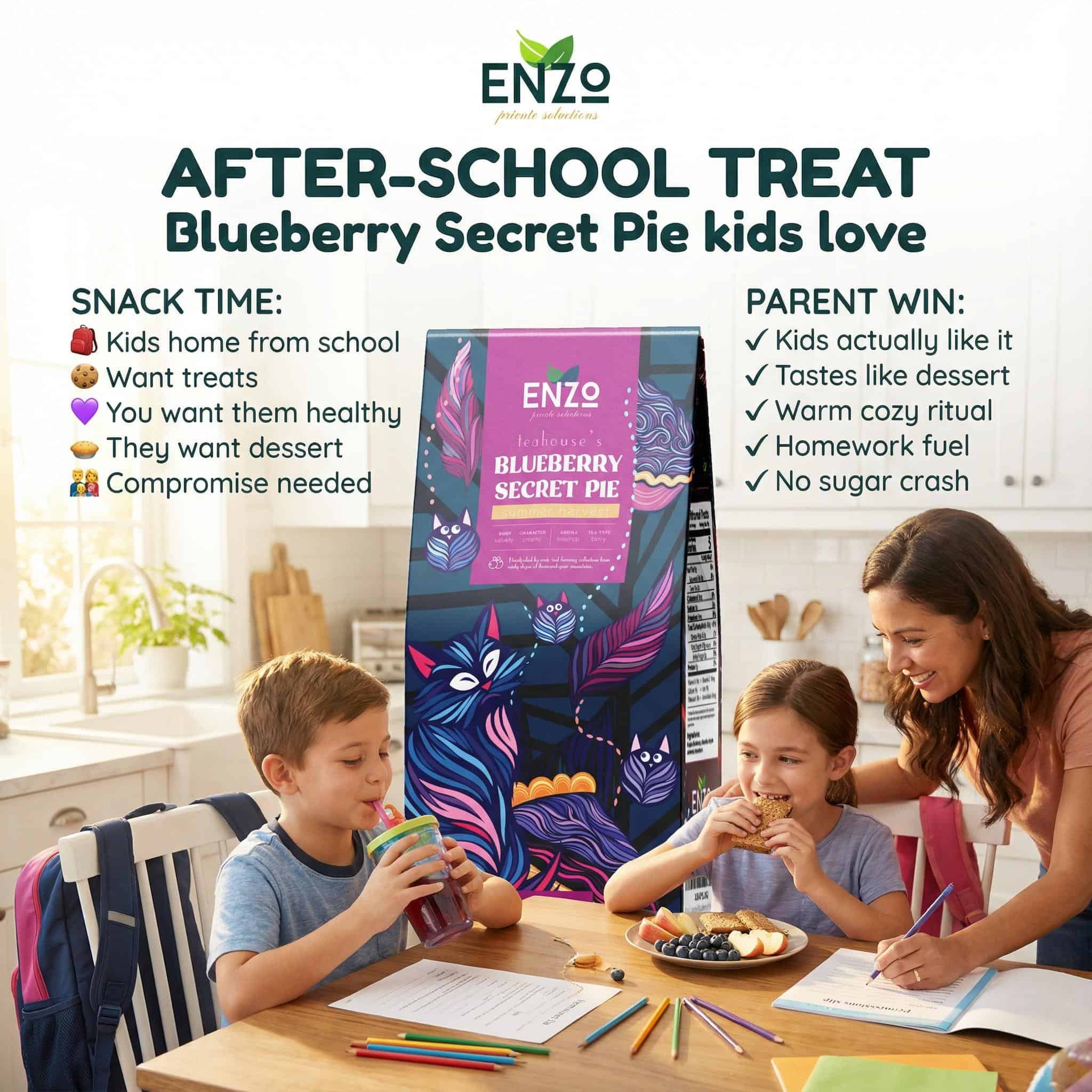
Fruit tea offers zero-calorie hydration kids actually enjoy. The natural flavors provide sweetness without sugar. The warm beverage creates comfort after long school days. Establishing tea as after-school ritual builds healthy habits lasting into adulthood.
Research from the Journal of Pediatric Nutrition shows children who drink tea or water instead of sugary beverages consume 150-200 fewer daily calories. Over one school year, this prevents 3-5 pounds of weight gain.
Understanding Children’s Hydration Needs
Kids require different hydration approaches than adults.
Age-Specific Requirements
Ages 4-8: Need 5-7 cups (40-56 oz) total daily fluid Ages 9-13: Need 7-8 cups (56-64 oz) total daily fluid Teens 14-18: Need 8-11 cups (64-88 oz) total daily fluid
After-school beverage provides 15-20% of daily needs. The timing refills deficits accumulated during school hours.
School Day Dehydration Factors
Limited bathroom access: Kids avoid drinking because bathroom breaks disrupt class. The restriction creates voluntary dehydration.
Busy schedules: Lunch periods too short for adequate hydration. Children prioritize eating and socializing over drinking.
Physical activity: Recess, PE classes, and sports cause sweating. Most schools lack proper hydration stations near playgrounds.
Indoor air quality: Classroom heating and cooling dry air increasing fluid needs. The environmental factors often overlooked.
Signs Your Child Needs After-School Hydration
Watch for these dehydration indicators:
- Crankiness or mood swings arriving home
- Headache complaints
- Difficulty focusing on homework
- Fatigue despite full night’s sleep
- Dark yellow urine
- Dry lips or mouth
Consistent after-school tea consumption reduces or eliminates these symptoms within 1-2 weeks.
Tea Selection for Children
Not all teas suit kids’ palates or nutritional needs.
Best Choices (Caffeine-Free)
Tropic Tiki: Most popular with children. The pineapple and mango notes taste like treat, not health food. The tropical flavors feel fun and exotic.
Caribbean Rhapsody: Familiar berry taste. Grape undertones appeal to kids who drink juice. The purple-red color looks appealing in clear cups.
Crimson Harvest: Mixed berry flavor children recognize. The slightly tart edge balances sweetness. Works well for kids who dislike overly sweet drinks.
Alpine Wildberry: Stronger flavor. Better for older children (10+) with more developed palates. The robust berry notes match “grown-up” drinks making kids feel mature.
All Enzo fruit teas contain zero caffeine. Perfect for after-school consumption without sleep disruption concerns.
Avoid for Children
Jasmine Pearl Green Tea: Contains 20-30mg caffeine per serving. The stimulation inappropriate for after-school timing. Save caffeinated teas for adults only.
Overly sweetened versions: Adding excessive honey or sugar defeats health benefits. If sweetening necessary, use 1 teaspoon maximum.
Optimal Serving Temperature for Kids
Children’s temperature preferences differ from adults. Safety concerns also apply.
Temperature Guidelines
Warm tea (120-130°F): Best for most children. Provides comfort without burn risk. The moderate warmth feels pleasant, not hot.
Cool tea (60-70°F): Works well in warm weather or for kids who dislike hot beverages. Room temperature acceptable.
Cold tea (40-50°F): Summer favorite. Add ice for refreshing after-school treat. The cold temperature especially appealing after outdoor play.
Never serve above 140°F: Burns happen easily with young children. The cautious temperature ceiling prevents injuries.
Testing Temperature
Always test before serving children:
- Drip small amount on inner wrist
- Should feel warm/cool, never hot
- When uncertain, err toward cooler
Parents develop instinct for safe temperatures after several servings. Initial caution prevents accidents.
Creating After-School Tea Routine
Consistency builds healthy habits. Establish predictable patterns.
Timing Strategy
Immediately upon arrival: Kids need hydration first, before snacks or activities. The priority restores fluid balance quickly.
15-20 minutes duration: Allow unhurried drinking and talking. The decompression time helps transition from school to home.
Before homework: Never during. The beverage time creates break between school stress and academic work continuation.
Presentation Techniques
Special cups: Designate fun cups for after-school tea only. The uniqueness makes ritual feel special. Let kids choose their own cups.
Colorful straws: Reusable straws in favorite colors increase consumption. Children drink more with fun accessories.
Creative garnishes: Float berries, add orange slices, or use fun ice cube shapes. The visual appeal engages kids’ interest.
Snack pairing: Serve with healthy snack (fruit, crackers, cheese). The combination addresses hunger and thirst simultaneously.
For more family beverage routines, see our snow day cozy traditions.
[Image Insert Prompt #113]
Making Tea Fun for Different Ages
Age-appropriate approaches ensure success.
Preschool/Kindergarten (Ages 4-6)
Volume: 4-6 oz servings Temperature: Warm (110-120°F) or cool Presentation: Use sippy cups if transitioning from bottles. Bright colors, fun shapes. Involvement: Let them help pour (with supervision). The participation creates ownership.
Conversation: Simple questions about school day. Keep light and positive.
Elementary School (Ages 7-11)
Volume: 6-8 oz servings Temperature: Warm to cool based on preference Presentation: “Big kid” cups showing maturity. Allow some choice in tea variety. Involvement: Kids can steep their own tea bags (supervised). Teach timing and safety.
Conversation: Deeper questions about friends, favorite activities, challenges. The tea time creates connection opportunity.
Middle/High School (Ages 12-18)
Volume: 8-12 oz servings Temperature: Usually prefer cold/iced Presentation: Adult-style glasses. Respect growing independence. Involvement: Complete self-service encouraged. Stock supplies, they manage preparation.
Conversation: Respect privacy. Offer availability without pressure. Some teens appreciate quiet tea time before engaging.
Overcoming Common Resistance
Some children initially resist new beverages.
“I Don’t Like Tea”
Never heard that objection before trying. Some kids reject anything new automatically.
Solution: Start with tiniest taste (1-2 sips). No pressure. Offer daily without forcing. Most kids accept within 1-2 weeks.
Alternative: Mix half fruit juice, half tea initially. Gradually increase tea proportion over weeks.
“I Want Juice Instead”
Normal preference. Juice tastes sweeter and more familiar.
Solution: Explain tea as “special after-school drink” creating ritual importance. Juice available other times, tea specifically for after school.
Compromise: One juice day weekly as treat. Other days tea. The limited juice increases compliance overall.
“It’s Boring”
Variety solves this. Rotation prevents monotony.
Solution: Offer choice between 2-3 tea varieties daily. The selection empowers kids. Rotate special presentations (different cups, garnishes, ice shapes).
Engagement: Create “tea flavor rating chart.” Kids score each variety. The activity makes tea interesting.
“Too Hot/Too Cold”
Temperature sensitivity varies. Some kids very particular.
Solution: Ask preferred temperature each day. Adjust accordingly. Keep thermos of room temperature tea allowing temperature modifications quickly.
Flexibility: Some days warm, some cold. Matching preferences increases willing consumption.
Nutritional Advantages Over Alternatives
Compare tea to common after-school drinks.
Juice Boxes (6 oz)
Sugar: 15-20g Calories: 60-80 Nutritional value: Vitamin C, but equivalent to eating small piece of fruit Cost: $0.50-0.75 per box
Chocolate Milk (8 oz)
Sugar: 20-25g Calories: 140-180 Nutritional value: Calcium, protein, but high sugar content Cost: $0.60-0.90 per serving
Soda (12 oz)
Sugar: 35-40g Calories: 140-150 Nutritional value: Zero Cost: $0.75-1.25 per can
Fruit Tea (8 oz)
Sugar: 0g Calories: 0-5 Nutritional value: Hydration, antioxidants, no additives Cost: $0.15-0.25 per serving
The comparison shows massive calorie and sugar savings. Over 180 school days, replacing juice with tea eliminates 10,800+ calories and 2,700g+ sugar annually per child.
Batch Preparation for Busy Parents
Streamline preparation saving time during hectic after-school hours.
Morning Preparation Method
Before kids wake or during breakfast:
- Brew double-strength tea (2 bags per 8 oz)
- Cool completely
- Store in refrigerator in labeled pitcher
- After school: Dilute with warm or cold water to taste
Preparation time: 10 minutes morning, 1 minute afternoon service.
Weekly Concentrate System
Sunday preparation for entire week:
- Brew concentrated tea (64 oz, very strong)
- Store in refrigerator in airtight container
- Daily: Mix 2-3 oz concentrate with 6 oz water
Preparation time: 20 minutes Sunday, 2 minutes daily.
Individual Portion Pre-Prep
For multiple children different ages/preferences:
- Prepare individual bottles Monday-Friday
- Label with child’s name and day
- Store refrigerated
- Warm or serve cold as needed
Preparation time: 30 minutes weekly, immediate daily service.
Similar meal prep strategies discussed in our tea concentrate guide.
Building Long-Term Healthy Habits
After-school tea ritual teaches important lessons.
Hydration Awareness
Children learn recognizing thirst signals. The consistent beverage timing trains bodies to expect and need hydration. This awareness continues into adulthood.
Delayed Gratification
Waiting for tea to cool teaches patience. Not every desire gets instant satisfaction. The small lesson builds character.
Family Connection
Dedicated tea time creates daily touchpoint. Parents hear about school experiences. Kids feel supported and valued. The emotional connection strengthens family bonds.
Preference Development
Exposing kids to subtle flavors trains palates. They learn appreciating taste beyond sugar and salt. This foundation supports healthier eating throughout life.
Routine and Structure
Predictable after-school routine provides security. Children thrive on consistency. The tea ritual becomes comforting anchor in their day.
[Image Insert Prompt #113]
Special Occasions and Variations
Maintain ritual while celebrating special days.
Birthday After-School Tea
Add: Fresh fruit garnishes, special cups, small treat alongside Volume: Regular amount (tea not replaced by cake/sweets) Celebration: Sing happy birthday during tea time Photo: Create tradition documenting yearly birthday tea ritual
Holiday Themed Tea
Fall/Halloween: Orange and black straws, pumpkin-shaped ice cubes Winter/Christmas: Red and green presentation, cinnamon stick stirrers Spring: Flower garnishes, pastel colors Summer: Beach-themed cups, tropical fruit additions
Achievement Celebrations
Good grades: Special fancy cup for week Sports victories: Team-colored accessories Successful recitals/performances: “Star performer” designation
The celebrations maintain tea ritual while acknowledging accomplishments.
Frequently Asked Questions
What age can children start drinking fruit tea?
Children ages 2-3 can begin drinking diluted fruit tea (4 oz servings). Ages 4+ can enjoy regular strength servings (6-8 oz). All Enzo fruit teas are caffeine-free and safe for children. Always serve at safe temperatures (below 140°F).
How much tea should I serve my child after school?
Serve 6-8 oz for elementary age children (ages 5-11), 8-12 oz for middle/high school ages (12-18). This provides 15-20% of daily fluid needs. Adjust for individual size, activity level, and preference.
Should I add sweetener to make kids drink tea?
Try unsweetened first. Most kids accept natural fruit tea flavors within 1-2 weeks. If sweetening necessary, use maximum 1 teaspoon honey per 8 oz. Gradually reduce sweetener over time training palate.
Which Enzo tea do kids like best?
Tropic Tiki is most popular with children due to recognizable pineapple and mango flavors. Caribbean Rhapsody also well-received for familiar berry taste. Let children sample different varieties finding personal favorites.
Can tea replace all after-school drinks?
Tea can become primary after-school beverage. However, milk (1 serving daily) provides important calcium and protein for growing bodies. Offer milk at breakfast or dinner instead of after school. Water available throughout day.
What temperature is safe for kids to drink tea?
Serve at 120-140°F maximum for young children (under 10). Test on your wrist first. Should feel warm, never hot. Older kids (10+) can handle slightly warmer temperatures (140-160°F) but supervise initially.
My child refuses to drink tea. What do I do?
Start with tiny tastes, no pressure. Mix 50% tea with 50% water or diluted juice initially. Gradually increase tea proportion. Offer daily without forcing. Most children accept new beverages within 2-3 weeks consistent exposure.
Does tea provide nutritional benefits for kids?
Tea provides zero-calorie hydration and antioxidants. The main benefit: replacing sugar-laden drinks. Eliminating 150-200 daily sugar calories prevents significant weight gain. Focus on hydration and habit-building rather than specific nutrients.
Can I serve cold tea to kids year-round?
Yes, cold tea works any season. Some kids prefer cold beverages even in winter. Match temperature to child’s preference. Cold tea in summer, warm tea in winter is common pattern but not required.
How do I make after-school tea time special?
Use designated special cups, add fun garnishes, create conversation tradition, allow child input on variety selection, maintain consistency making it anticipated routine. The specialness comes from consistency and attention, not elaborate preparation.
External Resources
For more children’s nutrition and healthy habits:
- Journal of Pediatric Nutrition: Childhood hydration
- American Academy of Pediatrics: Healthy drinks for kids
- USDA: Child nutrition programs
Create healthy after-school rituals with fruit tea. The simple habit provides hydration, reduces sugar intake, and builds family connection. Start your after-school tea routine this week.
title: “After-School Tea Treat for Kids: Healthy Snack Time” author: “Enzo Tea” tags: [“kids beverages”, “after school snacks”, “family routine”, “healthy drinks”, “children’s nutrition”] slug: “kids-after-school-tea-treat-healthy” meta_description: “Create healthy after-school drink routines for kids using fruit tea. Learn temperature, timing, and presentation strategies children love.” purpose: “Guide parents to establish healthy after-school beverage rituals for children”