Tea for Intermittent Fasting: Your Fasting Window Ally
TL;DR: Zero-calorie fruit tea does not break your fast. The flavor reduces hunger pangs, maintains hydration, and makes fasting windows manageable. Drink freely during fasting hours.
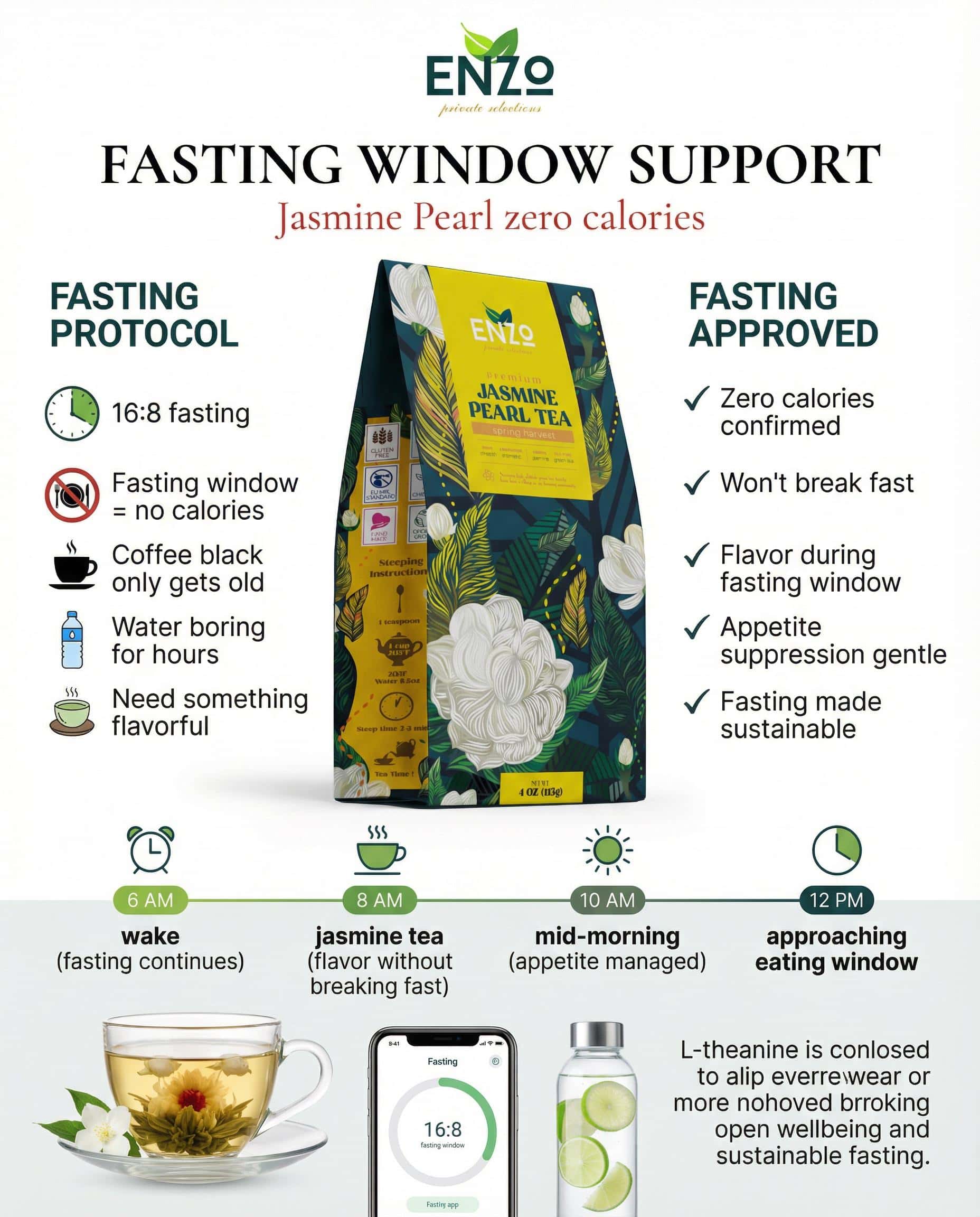
Why Intermittent Fasting Needs Beverage Strategy
Intermittent fasting works through extended periods without caloric intake. Most protocols require 16-hour fasting windows. Plain water sustains you physiologically but fails psychologically.
The mental challenge of fasting exceeds the physical challenge for most people. Boredom and habit drive eating more than true hunger. You reach for food because it’s “breakfast time,” not because your body needs fuel.
Strategic beverage consumption addresses both physical and psychological fasting challenges. Proper hydration prevents hunger signals caused by thirst. Flavorful zero-calorie drinks satisfy oral fixation without breaking your fast.
Understanding What Breaks a Fast
Metabolic fasting requires keeping caloric intake below 10 calories per hour. This threshold maintains your body in fat-burning mode. Any significant calorie consumption triggers insulin release and stops the fasting state.
Zero-calorie tea contains no calories and does not trigger insulin response. Black coffee also qualifies as fasting-safe. However, coffee’s acidity irritates empty stomachs. Many fasters experience digestive discomfort from morning coffee consumption.
Fruit tea provides the same fasting benefits as water but with crucial psychological advantages. The flavor occupies your mouth and satisfies habitual eating patterns. Your brain receives sensory input without breaking your metabolic fast.
How Tea Supports Fasting Windows
Tea consumption during fasting serves multiple physiological and psychological purposes.
Physical Benefits
Hydration maintenance: Proper hydration during fasting windows prevents false hunger signals. The hypothalamus area of your brain processes both thirst and hunger. When dehydrated, you often feel hungry when you need fluids.
Research from the European Journal of Clinical Nutrition shows mild dehydration mimics hunger sensations in 37% of people. Drinking adequate fluids eliminates this false hunger. You accurately identify true hunger versus thirst-based appetite.
Stomach volume: Liquid in your stomach creates physical fullness. This fullness reduces ghrelin production. Ghrelin is the hormone signaling hunger to your brain. Less ghrelin means less hunger sensation.
Energy maintenance: While zero-calorie tea provides no energy from calories, proper hydration supports cellular function. Well-hydrated cells operate efficiently. This efficiency maintains energy levels during fasting.
Psychological Benefits
Oral satisfaction: The act of drinking something flavorful satisfies the oral fixation component of eating habits. You get taste sensations without calorie consumption. This sensory experience reduces the feeling of deprivation.
Ritual replacement: Morning coffee or breakfast represents ritual more than nutrition. Tea consumption maintains the ritual while preserving your fast. Your brain gets its expected morning routine.
Time occupation: Preparing and drinking tea occupies 10-15 minutes. This time fills the void where breakfast preparation would occur. The distraction reduces focus on not eating.
[Image Insert Prompt #123]
Optimal Tea Choices for Fasting
Not all teas work equally well during fasting windows. Some varieties support fasting better than others.
Caffeine-Free Fruit Teas (Best Choice)
Enzo fruit teas (Tropic Tiki, Caribbean Rhapsody, Alpine Wildberry, Crimson Harvest) contain zero calories and zero caffeine. The fruit flavors provide strong taste without breaking your fast.
Caffeine-free options work best for afternoon and evening fasting windows. Consuming caffeine late in the day disrupts sleep. Poor sleep increases next-day hunger and reduces fasting compliance.
The natural fruit flavors also help people transition from flavored coffee or sweetened breakfast drinks. The taste satisfaction prevents feeling deprived.
Light Caffeine Green Tea (Morning Option)
Jasmine Pearl Green Tea contains 20-30mg caffeine per cup. This gentle stimulation helps people who use morning caffeine for focus. The low caffeine amount avoids the jitters and anxiety from coffee’s 95mg per cup.
Green tea also contains L-theanine, an amino acid promoting calm alertness. The L-theanine balances caffeine’s stimulating effects. You get focus without nervousness.
Use green tea only during morning fasting windows. Switch to caffeine-free fruit teas after 2 PM to protect sleep quality.
What to Avoid During Fasting
Herbal teas with calories: Some herbal blends contain dried fruit pieces or other ingredients adding calories. Read labels carefully. Anything above 5 calories per serving risks breaking your fast.
Tea with additives: Milk, cream, sugar, or honey break your fast immediately. These additions trigger insulin response and stop fat burning. Drink tea completely plain during fasting windows.
Excessive caffeine: More than 200mg caffeine daily (about 2 cups strong coffee) increases cortisol. Elevated cortisol promotes fat storage, working against fasting goals. Limit caffeine intake, especially from coffee.
Strategic Timing for Tea Consumption
When you drink tea during fasting matters as much as what you drink. Strategic timing maximizes fasting benefits.
Morning Fasting Window (6 AM – Noon)
Start with 16-24 oz of hot or cold fruit tea upon waking. This immediate hydration offsets overnight fluid loss. The flavor signals to your brain that you are “eating” something.
If you normally use morning caffeine, drink one cup of Jasmine Pearl Green Tea. The light caffeine prevents withdrawal headaches while maintaining your fast.
Sip tea continuously throughout the morning. Keep a 32 oz water bottle filled with cold fruit tea at your desk. The constant flavor access reduces snacking temptation.
Afternoon Fasting Window (Noon – 6 PM)
This period typically presents the greatest challenge. Social eating, work stress, and habit peak during afternoon hours. Increase tea consumption during this window.
Drink 20-24 oz of tea between noon and 3 PM. The liquid volume creates physical fullness. The flavor satisfaction reduces desire for snacks.
Keep multiple tea varieties available. Switch flavors every 2-3 hours. The variety prevents flavor fatigue. Bored taste buds lead to seeking other flavors (often from food).
Evening Fasting Window (6 PM – Bedtime)
Evening hours challenge people who snack at night. Tea consumption becomes crucial during this period.
Drink warm fruit tea in the evening. The warmth promotes relaxation similar to evening snacks. The ritual of preparing and drinking warm tea replaces evening eating habits.
Finish tea consumption 90 minutes before bed. Later consumption requires nighttime bathroom trips. Sleep interruptions increase next-day hunger and reduce fasting success.
[Image Insert Prompt #123]
Cold vs. Hot Tea for Fasting Support
Temperature affects how tea supports your fasting practice.
Hot Tea Advantages
Hot liquids create stronger satiety signals. Warm temperatures in your stomach trigger fullness receptors more strongly than cold liquids. You feel fuller from the same volume of hot versus cold tea.
Hot tea also requires slower consumption. You sip hot beverages gradually. This slower drinking extends the oral satisfaction period. Twenty minutes of sipping tea occupies more time than five minutes of drinking cold tea.
Winter fasting benefits particularly from hot tea. The warmth provides comfort without calories. Many people associate comfort with warm food. Hot tea delivers that comfort while maintaining your fast.
Cold Tea Advantages
Cold tea quenches thirst more effectively. The cooling sensation satisfies the physical need for temperature regulation. Summer fasting becomes more bearable with cold beverages.
Large-volume consumption is easier with cold tea. You drink more total fluid when beverages are cold. This higher volume improves hydration and increases stomach fullness.
Cold tea also fits portable lifestyles better. A water bottle of cold tea travels to work, gym, or errands easily. Hot tea requires thermal containers and more preparation.
Most fasters use hot tea in the morning and cold tea the rest of the day. This combination provides benefits from both temperatures.
Quantity Guidelines for Fasting Windows
How much tea should you drink during fasting periods? More than you think.
Recommended Daily Volume
Aim for 80-100 oz (10-12 cups) of total fluid during fasting windows. This seems excessive but serves important purposes.
64 oz minimum maintains basic hydration. This amount prevents dehydration and supports cellular function. Think of this as your baseline requirement.
16-36 oz additional provides psychological fasting support. The extra volume keeps your stomach from feeling empty. The constant flavor access reduces snacking temptation.
Distribute this volume throughout your fasting window. Drinking 100 oz at once provides no benefit and creates discomfort. Drink 8-12 oz per hour consistently.
Signs of Adequate Tea Consumption
Your urine color indicates hydration status. Pale yellow means adequate hydration. Dark yellow or amber indicates insufficient fluid intake. Increase tea consumption if urine appears dark.
Lack of hunger between hours 10-14 of your fast signals adequate beverage support. If hunger intensifies during these hours, increase tea volume by 16-20 oz daily.
Steady energy throughout fasting windows indicates proper hydration and tea support. Fatigue or difficulty concentrating suggests insufficient fluid intake.
Flavor Rotation Strategy
Drinking the same tea flavor for 16 hours creates taste fatigue. Your mouth becomes desensitized to the flavor. This desensitization reduces tea’s psychological benefits.
Three-Tea Rotation System
Morning (hours 1-6 of fast): Start with tropical flavors like Tropic Tiki or Jasmine Pearl Green Tea. The bright, energetic notes match morning energy needs.
Afternoon (hours 7-12 of fast): Switch to berry blends like Caribbean Rhapsody or Crimson Harvest. The moderate flavors sustain you through the challenging middle period.
Evening (hours 13-16 of fast): Finish with robust flavors like Alpine Wildberry. The deep, complex taste satisfies evening cravings for substantial flavors.
This rotation prevents flavor boredom. Your taste buds stay engaged throughout the fasting window. The psychological satisfaction remains high from first hour to last.
Some fasters keep three pitchers prepared: one of each flavor category. This preparation makes rotation effortless. You simply switch pitchers every 5-6 hours.
For more meal prep strategies, see our tea concentrate guide and meal prep companion.
Common Fasting Challenges and Tea Solutions
Specific fasting problems have corresponding tea-based solutions.
Challenge: Morning Headaches
Cause: Caffeine withdrawal combined with fasting stress.
Solution: Drink one cup Jasmine Pearl Green Tea immediately upon waking. The light caffeine prevents withdrawal. Gradually reduce green tea consumption over 2-3 weeks as your body adjusts to lower caffeine intake.
Challenge: Afternoon Energy Crash
Cause: Dehydration presenting as fatigue.
Solution: Drink 24-32 oz cold fruit tea between 2-4 PM. The large volume rapidly rehydrates. The cold temperature provides physical alertness. The flavor provides psychological satisfaction.
Challenge: Evening Food Cravings
Cause: Habit-based eating desire, not true hunger.
Solution: Drink hot Alpine Wildberry or Crimson Harvest tea. The warm liquid and robust flavor satisfy evening comfort-food cravings. The ritual of preparing hot tea replaces evening snacking rituals.
Challenge: Social Eating Pressure
Cause: Others eating during your fasting window.
Solution: Bring large water bottle filled with iced fruit tea to social situations. You hold a beverage, participate in the social drinking aspect, and maintain your fast. Most people do not question what you are drinking.
Challenge: Hunger During Exercise
Cause: True energy depletion from physical activity while fasted.
Solution: If exercising during fasting windows, drink 16-20 oz cold tea before and during exercise. The hydration supports performance. If hunger persists, consider moving exercise to eating windows. Fasted exercise does not suit everyone.
Integrating Tea with Different Fasting Protocols
Various fasting protocols benefit from slightly different tea strategies.
16:8 Protocol (16-hour fast, 8-hour eating window)
This most common protocol typically runs 8 PM to 12 PM fasting. Focus tea consumption from 6 AM to noon. This six-hour period creates the greatest challenge.
Drink 50-60 oz tea during morning hours. This volume represents half your daily hydration needs consumed during the most challenging period.
18:6 Protocol (18-hour fast, 6-hour eating window)
The extended fasting window (typically 6 PM to noon) requires more beverage support. Increase tea consumption to 70-80 oz during fasting hours.
Use hot tea in the morning and cold tea in the afternoon. The temperature variety helps manage the longer duration.
20:4 Protocol (20-hour fast, 4-hour eating window)
This advanced protocol challenges even experienced fasters. Tea becomes absolutely crucial. Aim for 80-100 oz tea during the 20-hour window.
Implement strict flavor rotation: change tea varieties every 4-5 hours. The variety maintains interest throughout the extended period.
Alternate Day Fasting
On fasting days (consuming <500 calories), tea serves as your primary sustenance. Drink 100-120 oz spread across the full day.
Choose strongly flavored teas like Crimson Harvest or Alpine Wildberry. The robust tastes provide more satisfaction during extreme fasting.
[Image Insert Prompt #123]
Long-Term Fasting Success with Tea
Sustainable fasting practices require consistent support systems. Tea consumption represents one crucial support element.
Studies from the New England Journal of Medicine show intermittent fasting adherence rates around 40% at six months. Those who establish supportive habits (including strategic beverage consumption) show 65-70% adherence rates.
Tea provides the sensory satisfaction and ritual replacement needed for long-term success. You maintain the psychological components of eating while achieving the physiological benefits of fasting.
For more wellness strategies, explore our hydration solution guide and wellness rituals.
Frequently Asked Questions
Does tea break a fast?
Zero-calorie fruit tea does not break a fast. Tea contains no calories and does not trigger insulin response. Your body remains in the fasting state. Adding any sweeteners, milk, or cream breaks your fast immediately.
How much tea should I drink during fasting windows?
Aim for 80-100 oz total during your fasting window. This equals 10-12 cups spread throughout the fasting period. Drink 8-12 oz per hour consistently. This volume maintains hydration and provides psychological fasting support.
Does green tea break a fast?
No, plain green tea does not break a fast. Green tea contains zero calories. The small amount of caffeine does not trigger metabolic changes that would break your fast. Drink green tea freely during fasting windows.
Which Enzo tea works best for intermittent fasting?
All Enzo fruit teas work perfectly for fasting. Tropic Tiki provides bright, energetic flavor. Caribbean Rhapsody offers berry satisfaction. Alpine Wildberry delivers robust, substantial taste. Crimson Harvest provides balanced berry flavor. Rotate varieties to prevent flavor fatigue.
Should I drink hot or cold tea while fasting?
Both work well. Hot tea creates stronger fullness signals and requires slower consumption. Cold tea hydrates better and works well for high-volume drinking. Most fasters drink hot tea in the morning and cold tea in the afternoon.
Will tea reduce hunger during fasting?
Yes, significantly. The liquid volume creates physical stomach fullness. The flavor satisfies oral and taste desires. Proper hydration eliminates thirst-based hunger signals. Most fasters report 50-60% reduction in hunger sensation when drinking adequate tea.
Does caffeine help or hurt fasting?
Moderate caffeine helps fasting by increasing alertness and reducing appetite. However, excessive caffeine (over 200mg daily) increases cortisol and may hinder fat loss. Use light caffeine from green tea (20-30mg per cup) rather than coffee (95mg per cup).
What is the best tea for evening fasting hours?
Hot Alpine Wildberry or Crimson Harvest work best for evening fasting. The warm temperature promotes relaxation. The robust flavors satisfy evening comfort-food cravings. The zero caffeine protects sleep quality.
How soon before bed should I stop drinking tea?
Stop tea consumption 90 minutes before bedtime. Later drinking requires nighttime bathroom trips. Sleep interruptions increase next-day hunger and reduce fasting compliance. Finish your last cup by 8:30 PM for 10 PM bedtime.
Does tea slow down weight loss from fasting?
No, zero-calorie tea does not affect weight loss. Tea provides only hydration and flavor. Some research suggests green tea’s compounds may slightly increase metabolism. However, this effect is minimal. The primary weight loss comes from caloric restriction through fasting.
External Resources
For more information about intermittent fasting and hydration:
- New England Journal of Medicine: Effects of Intermittent Fasting on Health
- Harvard T.H. Chan School of Public Health: Diet Review: Intermittent Fasting
- European Journal of Clinical Nutrition: Hydration and appetite regulation
Master intermittent fasting with strategic tea consumption. The zero-calorie flavor support makes fasting windows manageable. Your success rate increases when you have proper beverage strategies. Start your next fast with a full pitcher of fruit tea ready.
title: “Tea for Intermittent Fasting: Your Fasting Window Ally” author: “Enzo Tea” date: “2026-01-09” tags: [“intermittent fasting”, “fasting tea”, “weight loss”, “zero calorie drinks”, “fasting protocol”] slug: “tea-intermittent-fasting-support” meta_description: “Support your intermittent fasting with zero-calorie tea. Reduce hunger, maintain hydration, and stay focused during fasting windows.” purpose: “Guide fasters to use tea effectively during fasting periods” last-updated: “2026-01-09”