Hockey Parent Survival: Early Morning Rink Essentials
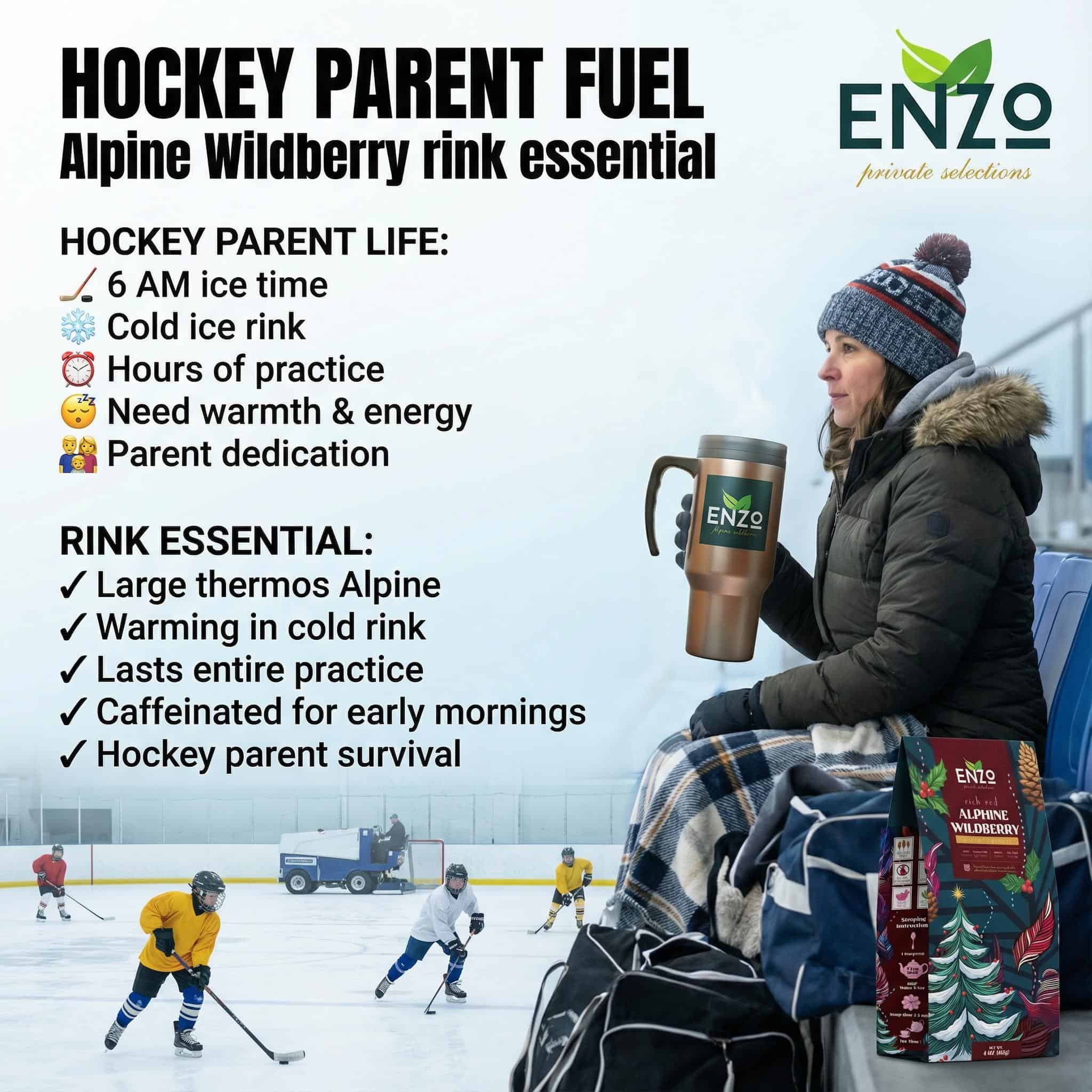
TL;DR: Brew 32-48 oz very hot tea (180-185°F) in quality thermos before 5 AM practices. Sip throughout 2-3 hour rink sessions. The warmth combats freezing temperatures and sleep deprivation.
Why Hockey Parents Need Specialized Beverage Strategy
Youth hockey demands extraordinary parental commitment. Five AM practices mean 4:30 AM wake-ups. Freezing rinks require enduring 50-55°F temperatures for 2-3 hours. Multiple weekly sessions create chronic sleep deficit. Weekend tournaments span entire days across multiple games.
Most hockey parents arrive unprepared for the unique challenges. Coffee shop runs at 5 AM rarely practical. Rink vending machines offer overpriced low-quality options. Inadequate warmth leads to miserable experiences. The accumulated fatigue eventually causes resentment affecting family dynamics.
Strategic tea preparation transforms hockey parent survival. Very hot tea in quality thermos provides hours of internal warming. Zero-calorie hydration maintains alertness despite sleep deprivation. The portable solution works for practices, games, and tournaments. Proper beverage planning makes demanding schedule sustainable.
Research from the Journal of Sports Sciences shows parents experiencing adequate self-care demonstrate 35-40% higher satisfaction with children’s sports participation. The physical comfort directly affects emotional support quality.
Understanding Hockey Parent Physical Challenges
Ice rinks create brutal environment for spectators.
Temperature Extremes
Rink temperature: Maintained 50-55°F for ice quality. The constant cold seeps into bones during extended sitting.
Bleacher seating: Metal or concrete conducts cold. No insulation from freezing surfaces.
Minimal movement: Sitting or standing motionless prevents body heat generation.
Duration: Standard practice 90 minutes. Games 60-75 minutes. Tournaments: all day.
Cumulative exposure: Multiple times weekly. The repeated cold exposure exhausting.
Sleep Deprivation Effects
Early practices: 5-6 AM start times common. Parents lose 1-2 hours sleep regularly.
Cognitive impairment: Tired parents struggle with attention, decision-making, emotional regulation.
Accumulation: Years of disrupted sleep create chronic deficit. The sustained deprivation affects health.
Weekend recovery impossible: Tournaments occupy both Saturday and Sunday. No catch-up sleep possible.
Social Dynamics
Spectator expectations: Supporting child requires presence and enthusiasm despite personal discomfort.
Other parents: Social comparison and judgment. “Super parent” pressure intense.
Sibling needs: Often bringing non-playing children to rink creating additional stress.
Relationship strain: Exhausted, cold parents struggle maintaining patience with partners and children.
Tea Selection for Rink Survival
Different varieties serve different needs.
Alpine Wildberry (Maximum Warmth)
The robust berry flavor feels substantial providing psychological warmth matching physical warmth from hot liquid.
Works excellently in thermos maintaining flavor interest across multi-hour sessions. The bold taste prevents palate fatigue.
Best for: Early morning practices, long tournament days, coldest rinks
Crimson Harvest (Comfort Choice)
The berry sweetness provides emotional comfort during miserable conditions. The familiar flavor feels nurturing.
Children often accept sips if needed. The shared experience creates bonding moment.
Best for: Weekend tournaments, family attendance, younger siblings present
Caribbean Rhapsody (Gentle Energy)
Moderate berry notes provide pleasant experience without being demanding or overwhelming when exhausted.
Universal appeal if sharing thermos with partner. The agreeable flavor reduces conflict.
Best for: Shared attendance, moderate conditions, standard practices
Jasmine Pearl Green Tea (Alertness Support)
Light caffeine (20-30mg per 8 oz) combats sleep deprivation fog. The subtle flavor supports rather than dominates.
Only for 5-6 AM practices. Later times risk disrupting already-compromised sleep patterns.
Best for: Very early morning practices, important games requiring sharp attention
For more early morning beverage strategies, see our morning energy ritual guide.
[Image Insert Prompt #135]
Thermos Selection and Preparation
Equipment quality dramatically affects experience.
Thermos Requirements
Large capacity (32-48 oz minimum): Hockey sessions drain supply quickly. Running out mid-practice creates misery.
Superior insulation: Cheap thermoses lose heat rapidly. Quality models maintain temperature 6-8+ hours.
Wide mouth opening: Allows drinking without removing entire lid. The convenience matters in cold.
Durable construction: Survives being knocked over on bleachers, dropped in parking lots, banged in hockey bags.
Leak-proof guarantee: Thermos in hockey bag with equipment. Leaking creates disaster.
Cup option: Built-in cup allows sharing if needed. The flexibility useful for family attendance.
Pre-Practice Preparation
Night before:
- Set out thermos, tea bags, kettle
- Prep clothes, hockey gear, everything else
- Reduces morning chaos
Morning of (4:00-4:30 AM):
- Boil full kettle
- Preheat thermos with hot water (2 minutes)
- Discard preheating water
- Add 8-10 tea bags to thermos
- Fill with boiling water (195-205°F)
- Seal and let steep during drive
- Remove tea bags upon arrival (prevents over-steeping)
Initial temperature: 180-185°F when first sipping. The very hot start accounts for gradual cooling.
Temperature Maintenance
First hour: Optimal drinking range (165-175°F). Perfect warmth.
Second hour: Still comfortably hot (155-165°F). Good quality thermoses maintain this.
Third hour+: Warm to cool (140-155°F). Still serviceable but declining.
Tournaments: Bring second thermos or access to refill hot water. All-day events require backup.
Rink-Side Consumption Strategy
Strategic drinking maximizes warmth and comfort.
Timing Pattern
Arrival (first 15 minutes): Immediate warming sips. The initial cold shock requires aggressive response.
During practice: Every 10-15 minutes. Regular sipping maintains core temperature.
Between drills: When players off ice. Natural drinking opportunities without missing action.
Breaks: Zamboni time, intermissions. Substantial drinking during these windows.
Post-practice: Continued sipping during player transition, equipment removal, coach debriefs.
Volume Management
Total consumption: 32-48 oz over 2-3 hour session
Aggressive early: Drink more first 30-60 minutes establishing warmth foundation.
Steady maintenance: Moderate but consistent intake middle period.
Conservative end: Reduce final 30 minutes preventing post-rink bathroom urgency during drive home.
Sharing Considerations
Personal thermos: Ideal. Each parent has own supply and preferences.
Shared thermos: Common for budget reasons. Requires coordination and compromise.
Kid sips: Many parents allow children small sips. The shared experience positive.
Backup cups: Disposable cups allow clean sharing if multiple people drinking.
Managing Multiple Games and Tournaments
Extended events require advanced planning.
Tournament Day Preparation
Two thermoses: Minimum for all-day tournaments. First for morning, second for afternoon.
Large batch brewing: Make 64-96 oz night before. Refrigerate. Reheat portions as needed.
Refill station: Some arenas have hot water. Bring extra tea bags for emergency refilling.
Cooler system: Large insulated cooler with multiple thermoses rotated throughout day.
Schedule Coordination
Game times: Note all scheduled appearances. Plan thermos consumption around timing.
Sibling management: If multiple children playing, coordinate between rinks/times.
Meal integration: Pair tea with portable breakfast/lunch maintaining energy.
Bathroom planning: Use facilities between games when thermoses depleted to safe level.
Energy Conservation
Rest periods: Sit when possible despite “engaged parent” pressure. The self-preservation essential.
Social breaks: Brief warm-up walks outside rink. Conversation plus movement plus outside air refreshing.
Nutrition: Bring protein-rich snacks. Tea alone insufficient for 8-10 hour days.
Perspective: Remember purpose. Supporting child’s passion justifies temporary discomfort.
For more sustained energy strategies, explore our marathon focus guide.
[Image Insert Prompt #135]
Handling Sleep Deprivation
Chronic early wake-ups require coping strategies.
Caffeine Management
Morning practices: Light caffeine (Jasmine Pearl) acceptable and helpful.
Afternoon/evening events: Caffeine-free only. Further sleep disruption dangerous.
Moderation: Maximum 50mg caffeine. The gentle boost without jitters or crashes.
Individual tolerance: Some parents need zero caffeine. Others tolerate more. Know your limits.
Sleep Hygiene
Earlier bedtime: Non-negotiable. Hockey parents need 10 PM bedtime despite adult lifestyle loss.
Weekend catch-up: Sleep in when possible. The recovery partial but necessary.
Naps: Brief 20-minute naps between games at tournaments. The rest helps.
Consistent schedule: Regular bedtime even non-hockey nights. The routine supports circadian rhythm.
Recognizing Danger Signs
Falling asleep at rink: Indicates severe deficit. Need intervention.
Emotional volatility: Snapping at children/partner. The irritability signals unsustainable pattern.
Illness frequency: Chronic colds, infections. Sleep deprivation weakens immunity.
Driving concerns: Drowsiness driving to/from rink. Life-threatening. Must address.
Additional Warmth Strategies
Tea alone insufficient. Comprehensive approach necessary.
Clothing Layers
Base layer: Thermal underwear top and bottom Middle layer: Fleece or wool Outer layer: Insulated jacket Accessories: Hat, gloves, thick socks, blanket for lap
The proper clothing plus hot tea creates bearable conditions.
Movement Breaks
Every 30 minutes: Stand, stretch, walk briefly. The circulation boost essential.
Stair climbing: Use bathroom upstairs. The activity warms body.
Jumping jacks: In concourse or parking lot. The exercise generates heat.
Bleacher shifting: Change positions frequently. The movement prevents cold settling.
Heat Sources
Hand warmers: Chemical packs in gloves and pockets. Supplement tea’s internal warming.
Heated seat cushion: Battery-powered stadium seats available. The investment worthwhile.
Hot water bottle: Filled at rink if available. Placed on lap under blanket.
Proximity to others: Body heat from other parents helps. The social clustering strategic.
Budget Analysis for Hockey Families
Years of participation create substantial costs.
Commercial Rink Beverages
Coffee shop stops:
- Daily purchase: $5-7
- Three times weekly: $15-21
- Annual cost (40 weeks): $600-840
Vending machine:
- Overpriced drinks: $3-4
- Three times weekly: $9-12
- Annual cost: $360-480
Home-Prepared Tea System
Equipment:
- Quality thermos (64 oz): $50-80
- Backup thermos: $50-80
- Total: $100-160 one-time
Tea cost:
- Per session (8-10 bags): $1.20-1.50
- Three times weekly: $3.60-4.50
- Annual cost: $144-180
Total first year: $244-340 Subsequent years: $144-180
Annual savings: $216-660 versus commercial options
Over typical 8-10 year hockey career: $1,728-5,280 savings
The substantial amount funds equipment, camps, or tournament travel.
Frequently Asked Questions
How much tea do hockey parents need per rink session?
Bring 32-48 oz in quality thermos for 2-3 hour sessions. Very cold rinks or longer tournaments require 48-64 oz. Aggressive drinking combats freezing temperatures. Running out creates miserable final hour.
What temperature should hockey rink tea be?
Start very hot (180-185°F) accounting for gradual cooling over hours. Quality thermos maintains drinking range (155-175°F) for 2-3 hours. Hotter initial temperature essential for long cold sessions.
Which Enzo tea works best for early morning practices?
Jasmine Pearl Green Tea provides light caffeine combating 5 AM exhaustion. Alpine Wildberry offers maximum warming without stimulation. Both work excellently. Choose based on caffeine needs and personal preference.
Should I share my thermos with my child?
Many parents allow small sips creating bonding moment. Bring disposable cup for hygienic sharing. Never force if child dislikes. The personal comfort beverage but occasional sharing positive.
How do I stay awake during boring practice?
Light caffeine helps but doesn’t solve chronic sleep deprivation. Prioritize earlier bedtime. Brief walks outside rink. Social conversation with other parents. Movement breaks. If falling asleep regularly, schedule unsustainable.
What if thermos runs out mid-session?
Bring backup smaller thermos. Check if rink has hot water for emergency refill. Some parents bring two full thermoses for long days. Prevention better than suffering final cold hour.
Can tea really keep me warm in ice rinks?
Hot tea provides significant internal warming but insufficient alone. Requires proper layering, movement breaks, and heat sources. Combined approach makes freezing rinks bearable. Tea critical component but not sole solution.
Is caffeine safe for chronically sleep-deprived parents?
Light caffeine (30-50mg) acceptable temporarily but masks dangerous deficit. The real solution is adequate sleep. Caffeine shouldn’t enable unsustainable schedule. If depending on caffeine daily, lifestyle adjustment necessary.
How do I manage bathroom needs with full thermos?
Reduce consumption final 30 minutes of session. Use facilities before leaving rink. Plan bathroom stops on drive if needed. Tournament days require strategic planning around game schedules.
What about tournaments requiring 12+ hours at rink?
Bring two full thermoses minimum. Access hot water for refilling if available. Pack extra tea bags. Coordinate breaks between games. The marathon days demand serious preparation preventing misery.
External Resources
For more hockey parent and youth sports wellness:
- Journal of Sports Sciences: Parent participation research
- USA Hockey: Parent resources
- Hockey Parents Unite: Support community
Survive hockey parent life through strategic tea preparation. The simple ritual provides warmth, comfort, and sustainability through years of frozen bleachers and 5 AM wake-ups. Prepare your thermos for tomorrow’s practice.
title: “Hockey Parent Survival: Early Morning Rink Essentials” author: “Enzo Tea” tags: [“hockey parents”, “youth sports”, “early morning”, “rink beverages”, “sports parents”] slug: “hockey-parent-survival-rink-essentials” meta_description: “Survive 5 AM hockey practices with strategic tea preparation. Learn thermos management, rink temperatures, and sustained energy for sports parents.” purpose: “Guide hockey parents to maintain warmth and energy during early morning ice rink hours”